
VAT at 4, 10 and 21 percent: what each rate means in a bar and in a shop
Three rates, dozens of edge cases, and a quarterly return that depends on getting each sale right. A plain guide for the two kinds of business that struggle most with it.
- Autor
- Editorial team
- Authorship to be confirmed
- Published:
- 1 October 2026
- Updated:
- 1 October 2026
- 2 min read
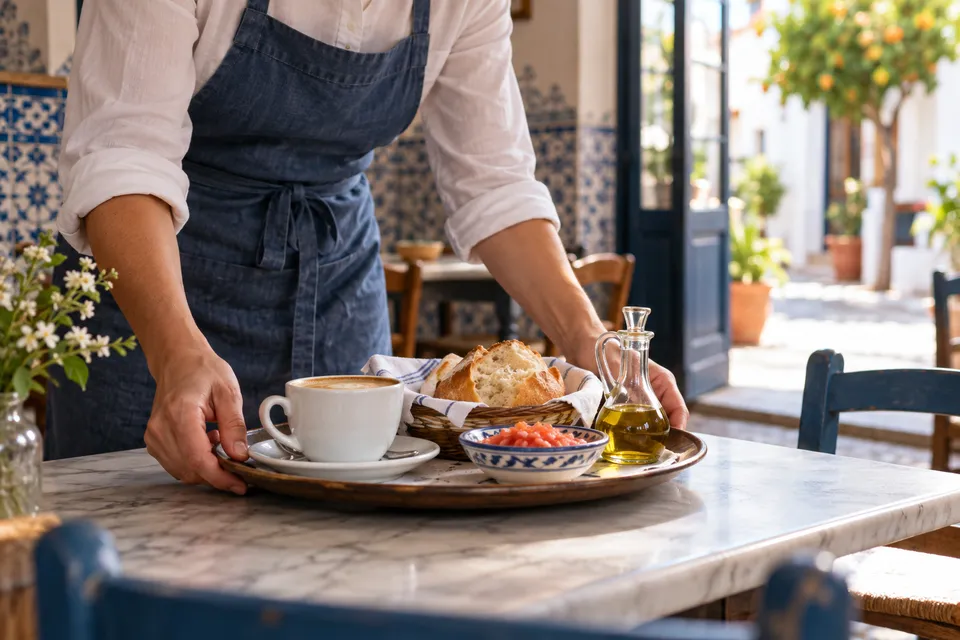
Spain applies three VAT rates. The general rate is 21 percent. The reduced rate is 10 percent. The super-reduced rate is 4 percent. Which one applies depends on what you sell and, in hospitality, on how you sell it.
In a bar or restaurant, the service of food and drink for consumption on the premises or as takeaway is taxed at 10 percent: the coffee, the menú del día, the tostada, the water, the juice. Alcoholic drinks are the main exception and are taxed at 21 percent even when served at the table; this is why a till must separate the caña from the café. Sugary and sweetened soft drinks were moved to 21 percent in 2021, so a cola at the bar is 21 while a natural orange juice is 10. Tobacco from a machine is not your sale at all.
In a food shop, the rate follows the product. Basic foods are at 4 percent: bread, flour, milk, cheese, eggs, fruit, vegetables, legumes, cereals and, after the 2022 to 2024 energy and food measures, olive oil was moved permanently to the super-reduced rate. Most other foods and non-alcoholic drinks without added sugar are at 10 percent. Alcohol, sugary drinks, cleaning products, cosmetics, clothing and almost everything that is not food are at 21 percent. Books and newspapers are at 4 percent.
Why this matters more from 2027: a Verifactu-compliant till records the rate per line and your gestor's quarterly return is built from those lines. If every product in your till is set to 10 percent because that was easier on day one, your return is wrong every quarter, and the chain of receipts now makes it visible. The fix is a one-off review of the product list with the correct rate on each item; a supplier's price list or the gestor can help with the doubtful ones.
One more thing many owners miss: the rate on the receipt is what the customer pays, but what you deduct on the purchase side follows the supplier's invoice. A bar buying wine at 21 percent and selling it at 21 percent is fine; buying bread at 4 and selling the tostada at 10 is also fine. Mixing them up on the till is not.
What you need to do
- Review every product in your till and set the correct rate; alcohol and sugary drinks at 21, most food and drink service at 10, basic foods at 4.
- Ask your gestor to check the doubtful items once, in writing.
- Keep the list updated when you add a product.
Sources
- Ley 37/1992 del IVA (BOE) ↗
- AEAT · Manual IVA, tipo impositivo reducido del 10 % ↗
- Real Decreto-ley 4/2024 y medidas relacionadas [check current status of temporary measures] (link pending)
References as given in the text: Ley 37/1992 del IVA, art. 90 and 91; Agencia Tributaria, tipos impositivos de IVA; Real Decreto-ley 4/2024 and related measures on food VAT [check current status of temporary measures].
Related articles

Money
Which receipts and invoices you must keep, for how long, and in what form
Every quarter, bags of receipts travel to gestorías across Marbella. Some of them are needed, some are not, and all of them have a legal retention period. Here is the rule.
Updated · 1 October 2026
Rules
Allergens on your menu: the 14 you must declare and the simplest way to do it
Bars and restaurants must inform customers about allergens in every dish. The law is European, the inspections are local, and compliance is a one-afternoon job.
Updated · 1 October 2026
Rules
Verifactu: what changes for your till on 1 January 2027
From January, every company in Spain that sells to the public must issue its receipts from certified software. Here is what that means for a shop, bar or café in Marbella, in plain words.
Updated · 1 October 2026